Northvaleon
Northvaleon Night Photography Journal

Northvaleon - Night Photography Journal

Shooting in the dark

A curated space for photographers who work after sunset. Long exposures, star trails, urban light - documented with precision and without shortcuts.

Browse all articles
Night photography long exposure cityscape

Latest pieces

Three recent articles - each one covers a specific technique, condition or piece of gear that came up in practice.

What One Bakery Owner Learned Photographing Her Shopfront After Closing

What One Bakery Owner Learned Photographing Her Shopfront After Closing

A practical look at how one small business owner captured compelling night shots of her shopfront without hiring a professional photographer.

464
Read article
A Restaurant Owner's Evening Routine for Capturing Usable Social Media Photos

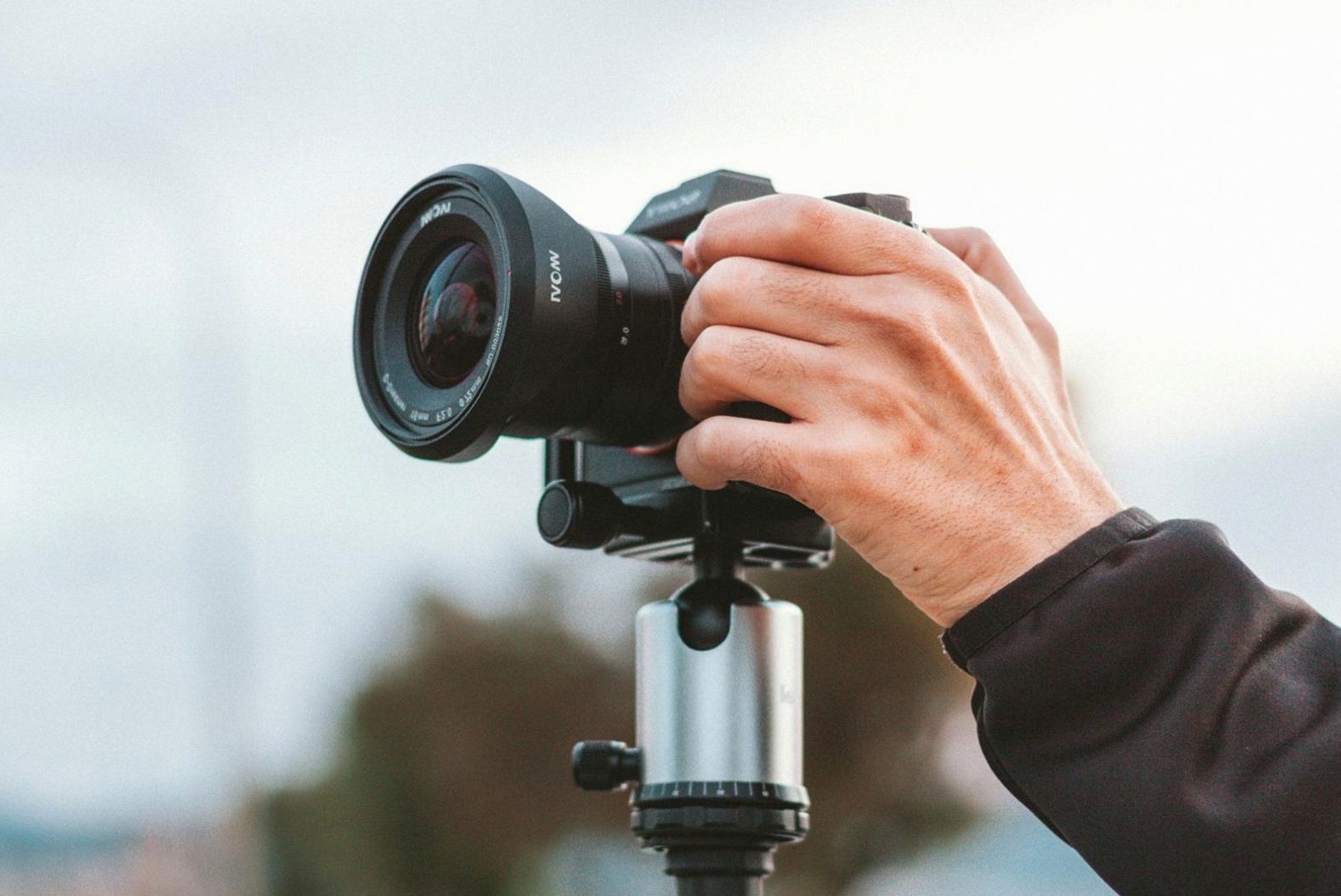
A Restaurant Owner's Evening Routine for Capturing Usable Social Media Photos

How a small restaurant owner built a simple after-service photography habit that produces consistent, usable images for Instagram without a camera crew.

594
Read article
Night Product Photography Without a Studio: What a Candle Maker Tried

Night Product Photography Without a Studio: What a Candle Maker Tried

A candlemaker selling online used night conditions and minimal equipment to create product photos that outperformed her daylight shots.

150
Read article

How much is already here

Night photography has a wide surface area. There are questions about gear - which sensor handles high ISO without banding, which lens holds its corners at f/2. There are questions about conditions - how moon phase changes what's possible, how city glow affects colour temperature at the edges of a frame.

The archive here covers all of that, built up from specific shoots rather than generalised advice.

Each piece starts from a real problem or a real location. That means the depth accumulates in a way that's actually useful - you can trace how one technique connects to another across multiple articles rather than reading isolated tips.

8+

distinct technique categories covered across the archive, from exposure stacking to light painting

4

multi-part series that build progressively - each instalment assumes you read the one before

12

specific locations documented with actual shooting notes and conditions recorded on the night

3

gear deep-dives comparing real-world results rather than manufacturer specifications

Pieces that get skipped

These aren't the most-read articles, but they cover ground that most guides don't touch.

1
Focusing in total darkness

Live view magnification, manual focus peaking, and what to do when neither works - a practical walkthrough from an actual shoot where autofocus refused to lock.

2
When the histogram lies

Long exposures at high ISO produce histograms that look clipped when the raw file is actually fine. Understanding why this happens changes how you evaluate exposure in the field.

3
Dew and condensation management

A lens that fogs over mid-shoot is a common problem with no single fix. This article documents four approaches tested across different humidity conditions - what held up and what didn't.

4
Reading a dark sky forecast

Transparency and seeing are different measurements. Confusing them leads to wasted nights. This piece explains what each number means and which one matters more depending on what you're shooting.

The shape of the site

Before going deep on any single article, here's a map of what's here and where each direction leads.

Astrophotography

Star trails, Milky Way composition, polar alignment for tracked mounts. The articles here assume a dark sky - most start at Bortle 4 or below.

See articles

Urban night

Neon reflections, traffic light trails, architecture after dark. These pieces deal with mixed artificial light sources and how to keep colour from going wrong.

See articles

Landscape at night

Seascapes, forests, fog - locations where natural light and darkness interact. Planning, scouting, and what the camera sees versus what the eye sees.

See articles

Gear and settings

Sensor comparisons, lens tests at wide apertures, intervalometer setups. Practical rather than speculative - tested in the field, not inferred from spec sheets.

See services

Post-processing

Noise reduction approaches, stacking workflows, colour grading for night scenes. Each walkthrough includes the actual settings used on a specific image.

See articles

About the author

Background on the person behind the writing - what they shoot, what equipment they've used over time, and what shaped the editorial decisions on this site.

Read more
Multi-part night photography series - long exposure sequence

Pieces that build on each other

Some questions don't fit in a single article. These clusters develop an idea across multiple instalments - reading one without the others works, but the full sequence gives more.

A
The exposure series

Four articles that move from basic shutter speed logic through bulb mode, exposure stacking, and finally HDR blending for scenes with extreme dynamic range.

  • Why the 500 rule breaks down on modern sensors
  • Bulb mode without a remote - workarounds that actually work
  • Stacking for noise versus stacking for sharpness
B
Location scouting in three stages

A three-part sequence on finding, evaluating and returning to a location. Built around a single coastal site visited across different moon phases and seasons.

  • What satellite imagery misses that a site visit catches
  • How moon angle changes the same composition completely
C
RAW processing for low-light files

A sequence that works through the same raw file using three different processing approaches - comparing the results and explaining when each is appropriate.

  • Luminance noise versus colour noise - different tools for each
  • When sharpening at the end reverses noise work done earlier

Questions and pushback welcome

The articles here come from specific experiences - which means they're open to being wrong, incomplete, or simply different from what others have found. If something in an article doesn't match your results, that's worth discussing.

Disagreement based on actual experience is more useful than agreement.

Send a question about a specific technique, a location, or a piece of gear. Corrections are also welcome - if a number is off or a workflow has been updated, the article should reflect that.

Night photographer at work in a dark landscape