
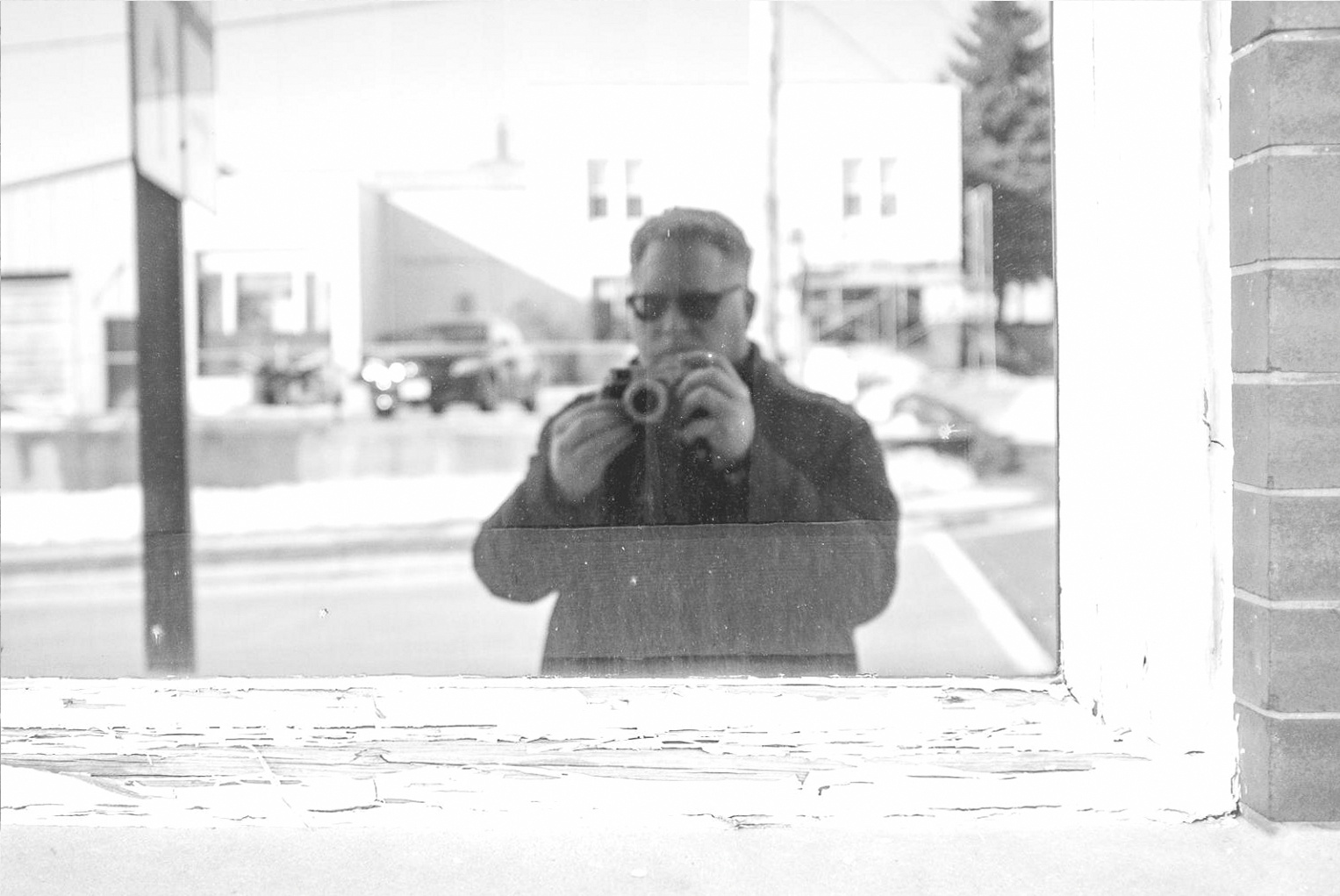
Saoirse Delvecchio
Night photographer, long-exposure practitioner, and the person writing most of what you read here.
Where this started
"A 30-second exposure on a clear night shows more than the eye ever will."
The first time I left a shutter open for 25 seconds, I was standing on a gravel road outside Broken Hill. The result was blurry, underexposed, and completely wrong by every technical measure. I kept it. That image is still on my hard drive because it was the moment I understood what night photography actually asks of you - patience, not skill.
Since then, the work has taken me from the Atacama plateau to the Norwegian coast in February. Each location teaches something the previous one didn't. High-altitude shooting at 4,500 metres behaves differently from coastal long exposures where salt haze scatters light in unpredictable ways.
- Astrophotography from remote sites in Western Australia and Patagonia
- Light painting across industrial and natural environments
- Urban night work - reading artificial light as a compositional tool
- Cold-weather shooting where battery and lens behaviour change significantly
What I actually use
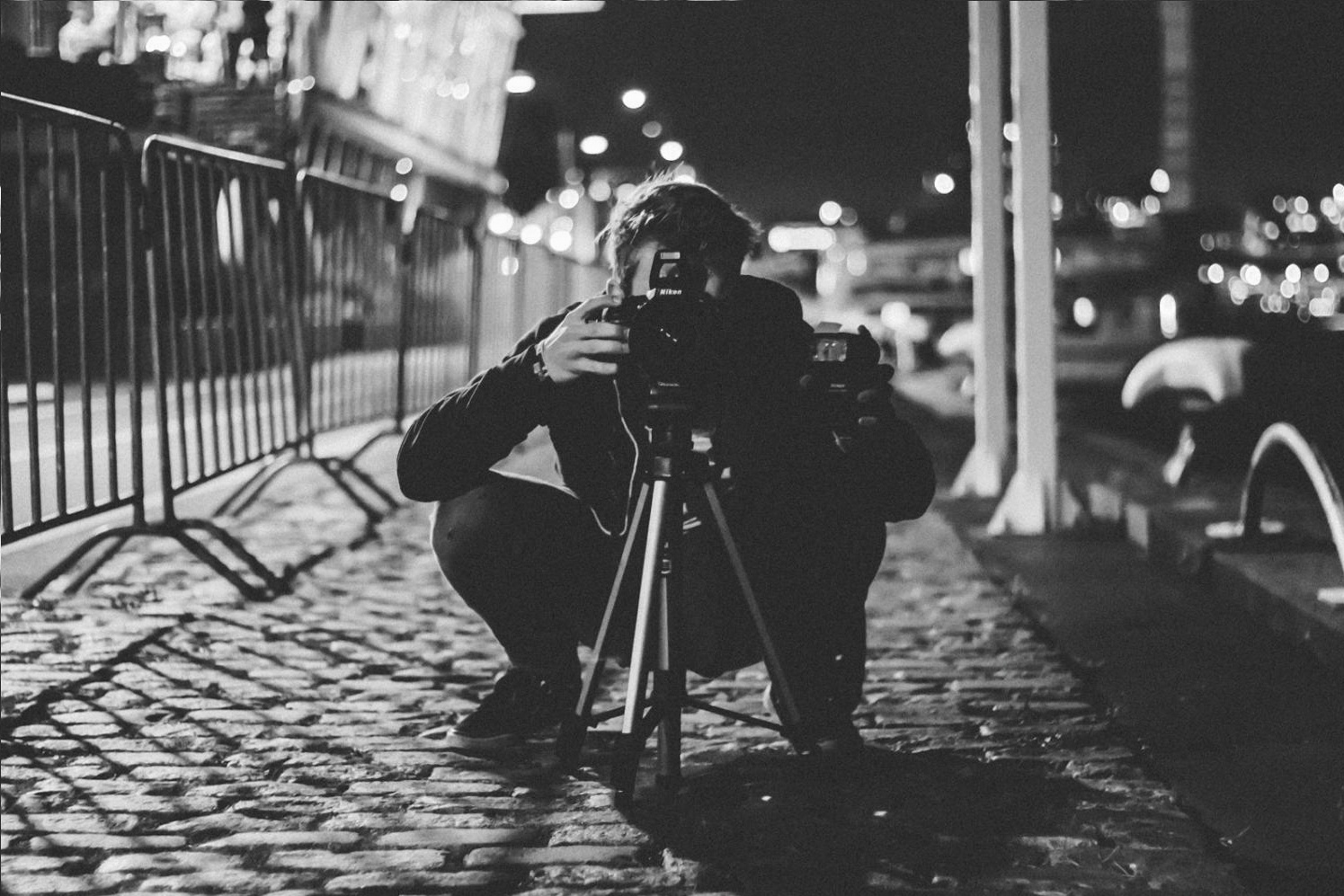
Gear listed here is what appears in the field, not on a sponsored post.
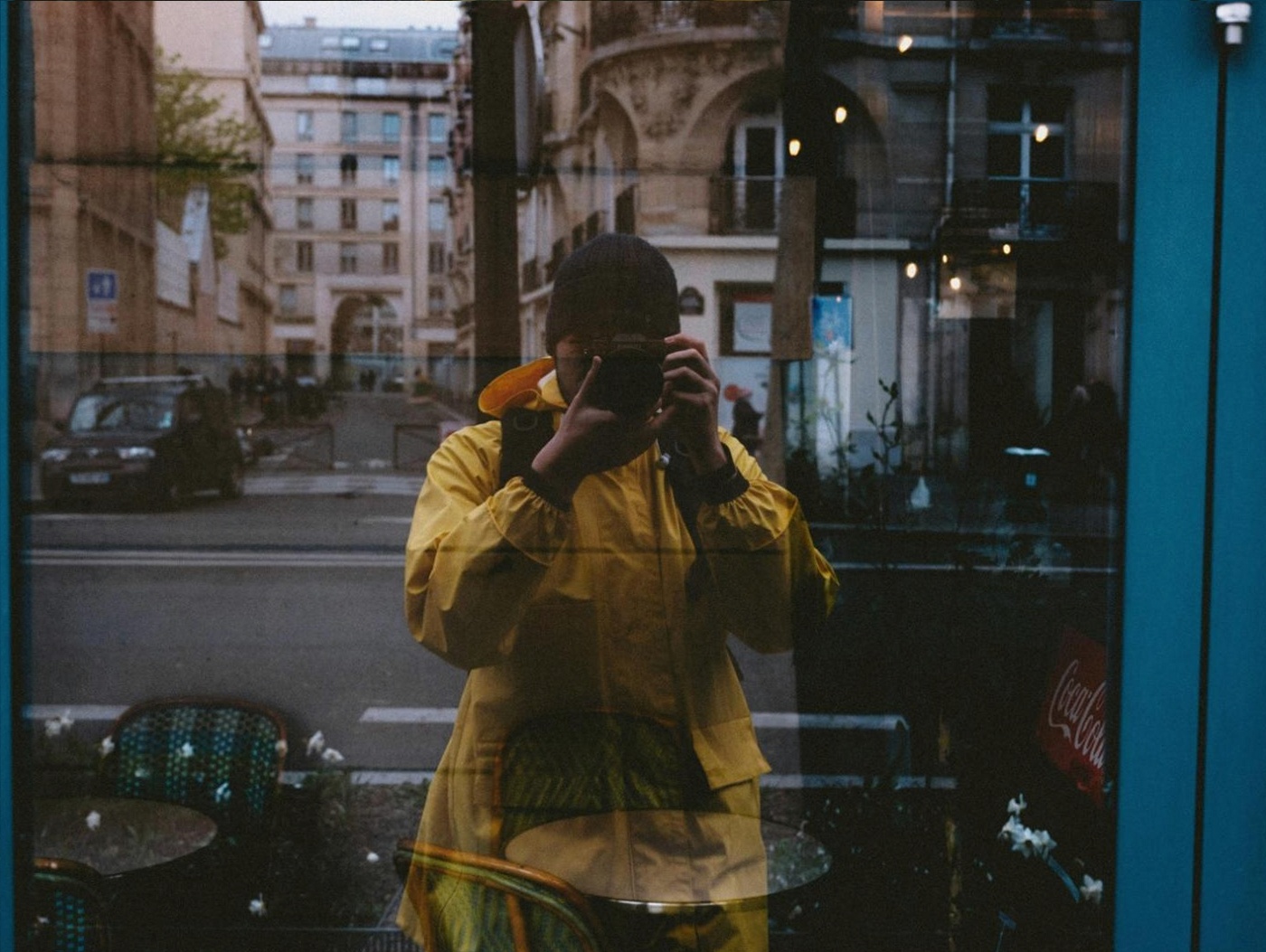
Sony A7 IV
Primary body. Full-frame sensor handles ISO 6400 with manageable noise. The real-time exposure preview in live view is genuinely useful in the dark.
Sigma 14mm f/1.8 Art
Wide and fast. At f/1.8 you gain roughly two stops over a typical kit lens - that difference matters when you're trying to keep exposures under 20 seconds to avoid star trails.
Peak Design Travel Tripod
Carbon fibre, 1.27 kg. Weight matters when you're hiking to a location at 2 AM. Stability matters when the exposure runs for 4 minutes.
Intervalometer
A wired remote with a built-in timer. Keeps hands off the camera during bulb exposures and makes time-lapse sequences repeatable without guessing.
Red-light headlamp
Red light preserves night vision. White torches destroy dark adaptation in seconds - something most beginners learn the hard way on their first Milky Way session.